


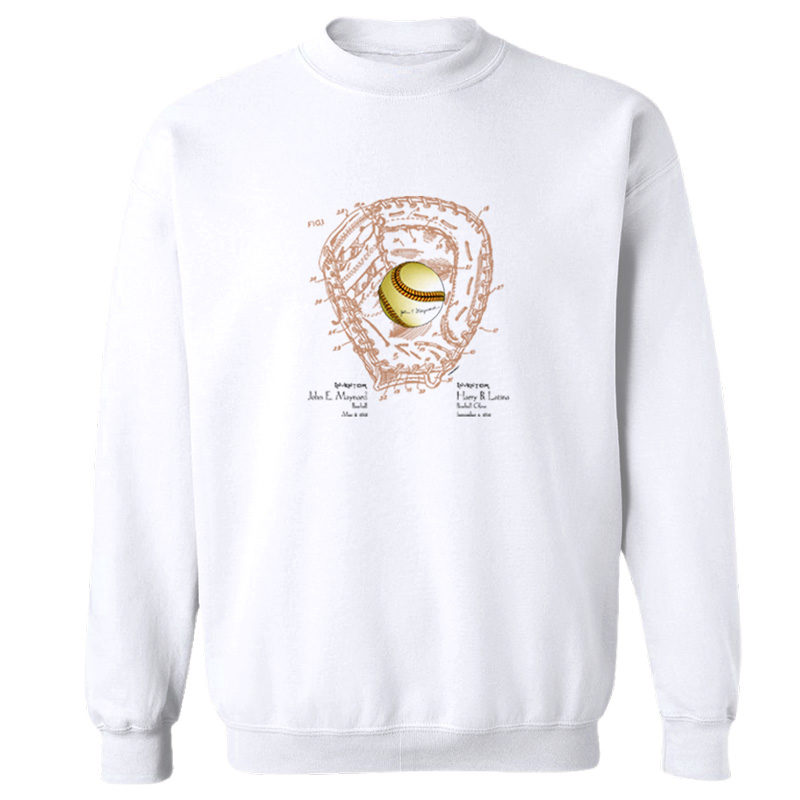
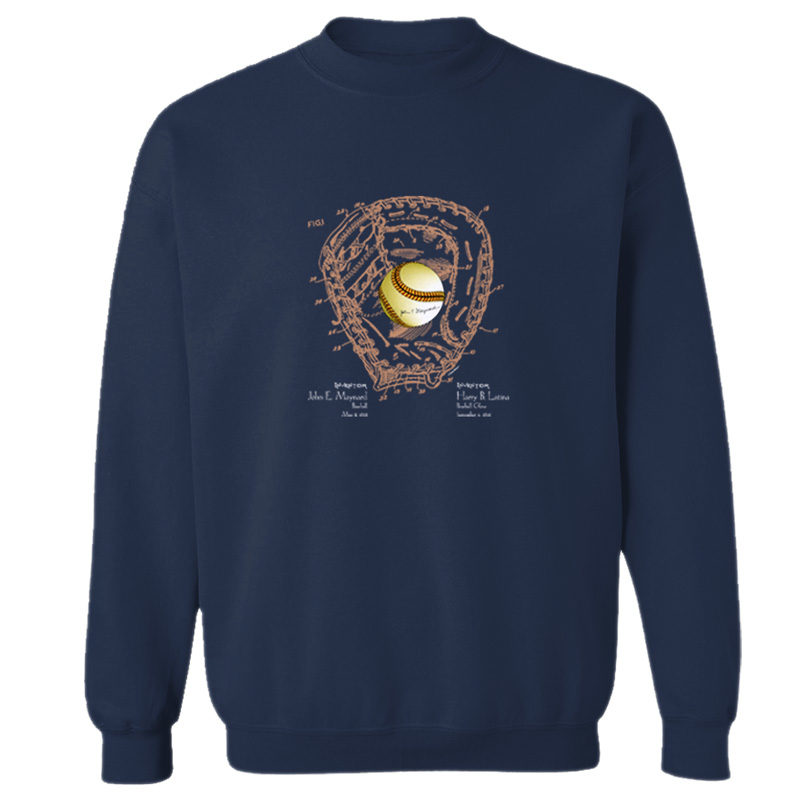


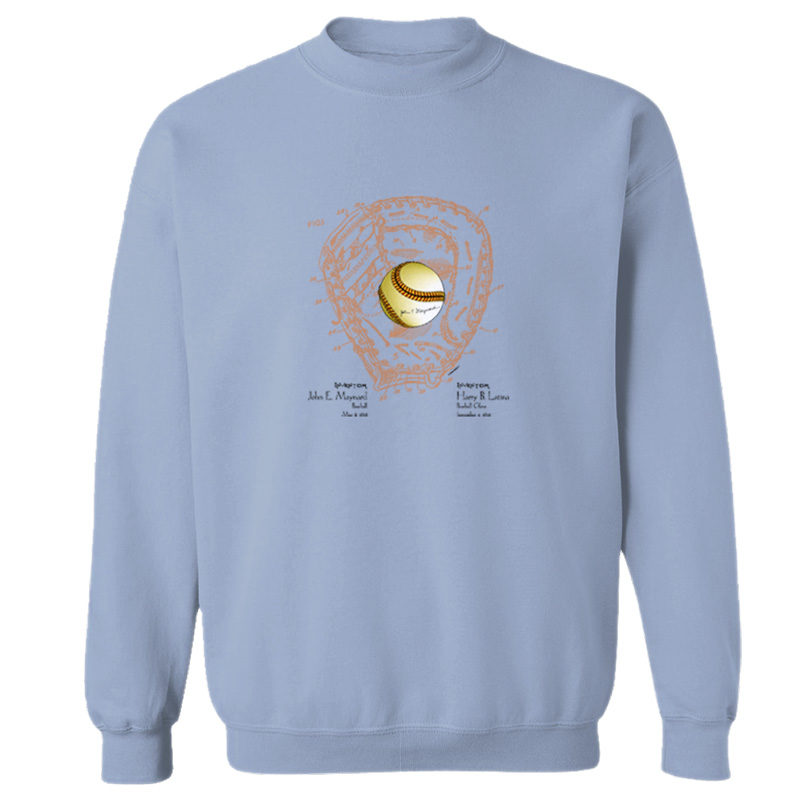

Ball & Glove Patents Crewneck Sweatshirt
$34.00
See The Story of this design in tab, below.
PatentWear’s original Ball & Glove design printed on 8 oz. crewneck sweatshirts. Made of a 50/50 blend of cotton and polyester air-jet spun yarn with a softer feel that also reduces pilling, this classic-fit sweatshirt features double-needle stitched collar, shoulders, armholes, cuffs and waistband, and 1×1 athletic rib knit with spandex for collar, cuffs, and waistband.
The Story
Americans began playing baseball on informal teams in the early 1800s based on the English game of “rounders.” When Alexander Cartwright formalized the game’s rules in 1845, gloves were not yet used in the game. Players were expected to endure the pain of the sport without complaint—especially since cricket was played without hand protection—and efforts to mitigate hand injuries by wearing any sort of protection were considered almost shameful!
By the 1860s, the sport had become so popular, it was described as being America’s “national pastime.” In 1875, first baseman Albert Spalding saw a player in Boston, Charles Waite, wearing a flesh-colored glove (Waite thought the color would make it less obvious) for the first time. As the premier pitcher of his time, Spalding was at first skeptical, but nevertheless had long felt the need for hand protection himself. When the physical strain of continuous pitching took its toll not only on his throwing arm but with the development of severe bruises on his left hand, he became intrigued with Waite’s glove and asked him about it. It wasn’t until 1877 that Spalding overcame his reluctance to don a glove, but by then he was so well-known that his decision was accepted, as he said, “with sympathy” rather than ridicule. He went on to found the Spalding sporting goods company, initially specializing in baseball equipment—including fingerless gloves. By the 1890s, players wearing gloves in the field had become the norm.
Baseball gloves have come a long way since their beginnings as fingerless work gloves. They’ve grown progressively larger, and their shape and size is now governed by official baseball rules which define limits of catcher’s, first baseman’s, and fielder’s gloves. The glove’s evolution through the 20th Century saw experimentation with shapes and sizes, and innovations with materials that afforded greater hand protection. Advancements in technology continue to shape the game. Synthetics are lighter-weight, and other advantages now include breathability, durability, and memory-foam-like padding. The MLB Playing Rules Committee has quietly given one new inventor, Scott Carpenter, informal approval to make synthetic microfiber gloves for major-league use during the 2012 season.
Patentwear’s Ball & Glove design features a patent granted in 1962 to Harry Latina, the father half of the father-son glove designer duo at Rawlings who are responsible for some of the most iconic gloves and trademarks of today: the Fastback, Heart of the Hide, and the Trapper among many others. Latina’s invention “relates to improvements in the construction of mitts and gloves” and among other objectives, is intended to overcome certain restrictions in previous construction designs. His patented idea allows more flexibility, and a nearly immediate break-in condition while remaining durable for a longer period after break-in.
There’s no doubt that novelist Arthur C. Clarke’s prediction has come to pass: “Tradition or not, all sports will evolve.” Apparently that even includes the Grand Old Game itself.
Sizing & Fit: Crewneck Sweatshirt
- 8.0 oz. fabric weight
- 50/50 cotton/polyester
- Reduced pilling and softer air-jet spun yarn
- 1×1 athletic rib knit collar, cuffs and waistband, with spandex
- Double-needle stitched collar, shoulders, armholes, cuffs and waistband

| USA Sizes: Unisex Crewneck Sweatshirt | |||||
|---|---|---|---|---|---|
| 1″ = 2.54 cm | S | M | L | XL | 2XL |
| Chest (inches) | 36 | 40 | 44 | 48 | 52 |
| Width (inches) | 20 | 22 | 24 | 26 | 28 |
| Length (inches) | 26 | 27 | 28 | 29 | 30 |
| METRIC Sizes: Unisex Crewneck Sweatshirt | |||||
|---|---|---|---|---|---|
| 2.54 cm = 1″ | S | M | L | XL | 2XL |
| Chest (cm) | 102 | 112 | 122 | 132 | 142 |
| Width (cm) | 51 | 56 | 61 | 66 | 71 |
| Length (cm) | 66 | 69 | 71 | 74 | 76 |
Related products
-
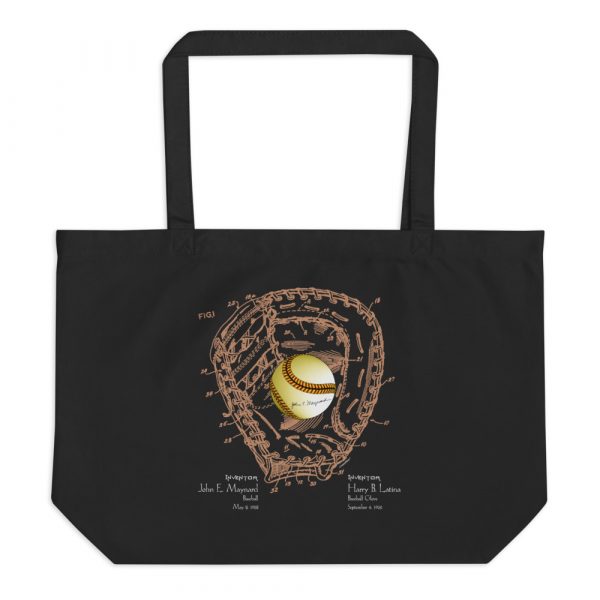
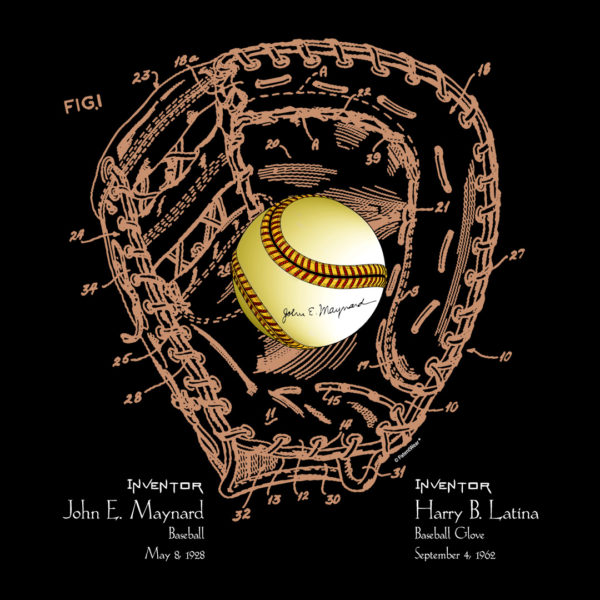
Ball & Glove Patents Tote—Large
$20.00Select options This product has multiple variants. The options may be chosen on the product page -
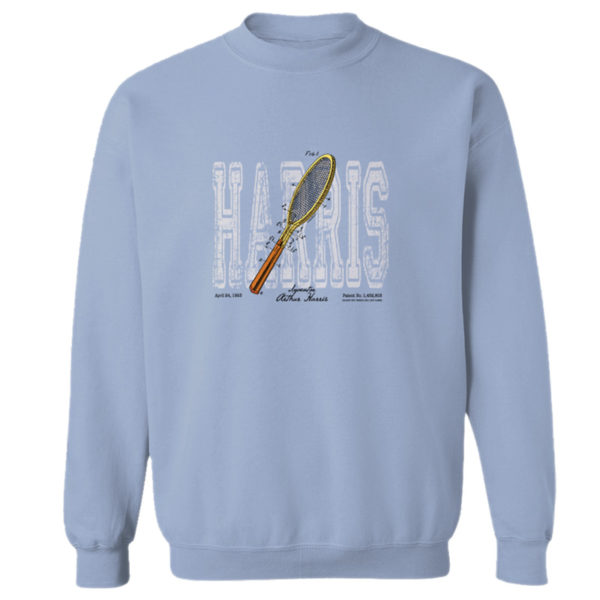
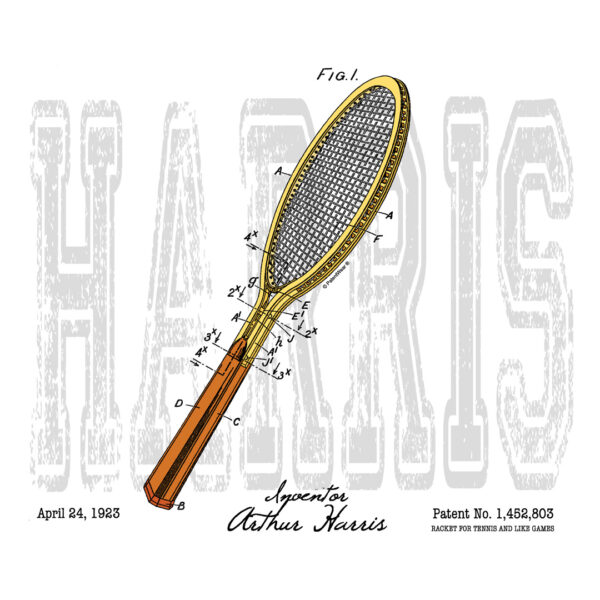
Tennis-Harris Patent Crewneck Sweatshirt
$34.00Select options This product has multiple variants. The options may be chosen on the product page -


Football Solo Patent Crewneck Sweatshirt
$34.00Select options This product has multiple variants. The options may be chosen on the product page -

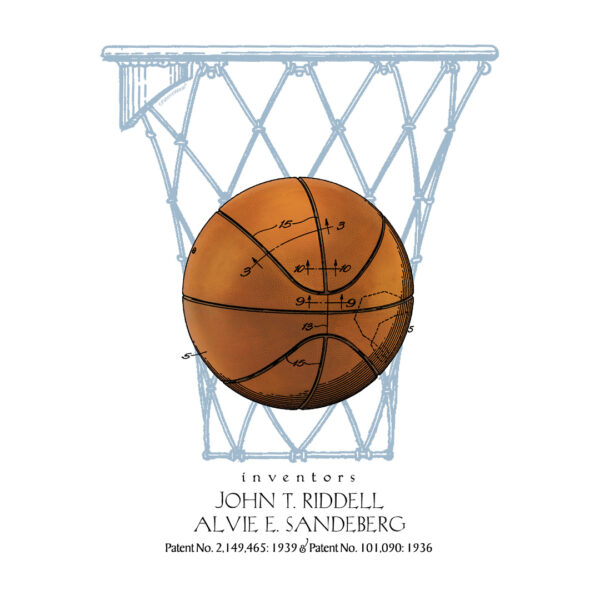
Basketball Patents Crewneck Sweatshirt
$34.00Select options This product has multiple variants. The options may be chosen on the product page