


Diesel Engine Patent T-Shirt
$28.00
See The Story of this design in tab, below.
Our original PatentWear Diesel Engine design is printed in full color on a classic pre-shrunk 100% cotton men’s/unisex t-shirt using an eco-friendly water-based ink process, in shirt colors as indicated. The large design is printed on the front only. Some element colors in the design change slightly depending upon whether it is printed on a dark or light shirt.
The Story
The diesel engine, invented by Rudolf Diesel in 1895, can be considered one of the greatest technological accomplishments the twentieth century. With an efficiency of up to 50% (compared to gasoline engines at 25-30%) combined with reliability, power, and high fuel economy, it has become the engine of choice worldwide.
The engine works on the principle of compression ignition. Fuel is injected into the engine’s cylinder after air has been compressed to a high pressure and temperature; the fuel is ignited and the piston is forced to move. Give that engine clean fuel and clean air and it will “run forever.”
The early diesel engines were designed to run on many different fuels, from kerosene, to coal dust, to peanut oil. Rudolf Diesel was interested in vegetable oil fuels and became a leading proponent of the concept. At the World Exhibition in Paris in 1900, Rudolf demonstrated his invention running on peanut oil. Biofuel was born.
The early system of introducing fuel by air injection proved to be inefficient, however. Later, in 1927, engineers at Bosch succeeded in developing a pump which could inject the heavy fuel directly into the highly compressed air. This complex but precise fuel injection pump was the final puzzle piece which led to the successful staying power today of the diesel engine.
Unfortunately, Rudolf Diesel’s life in later years was plagued with problems. He was concerned with lawsuits, patent disputes, financial woes from poor investments and expensive tastes, and deteriorating health. On September 29, 1913, Rudolf mysteriously vanished from the steamer Dresden bound for London on a passage from Antwerp. He had been on his way to meet with the British Royal Navy about installing his engine on their submarines. A severely decomposed body was found floating ten days later; items retrieved from it were identified by Rudolf’s son as belonging to his father.
Various theories attempt to explain Diesel’s death. Considered most likely is suicide, though some theories insist that other threatened interests such as military (Germans concerned about the technology’s ability to enable a more efficient British navy during tensions in Europe leading up to WWI), or business are to blame. Recalling that diesel fuel had not yet been developed when Diesel conceived his brilliant invention, and he had intended to run his engines on vegetable oil fuels (believing that farmers could benefit from growing their own fuel), conspiracy theorists point their fingers at the fledgling petroleum industry. Though not yet the powerhouse it is now, the industry began producing a class of fuel we know today as “diesel fuel” (an oil byproduct) soon after Diesel’s death. Apparently evidence is limited for all explanations, though conspiracy theories were rampant at the time of Rudolf Diesel’s untimely death.
Sizing | Fit | Care: Unisex T-Shirt
- 100% cotton (except Sport Grey=10% polyester)
- 5–5.3 oz. fabric weight
- Pre-shrunk jersey knit
- Taped neck and shoulders
- Tear-away tag
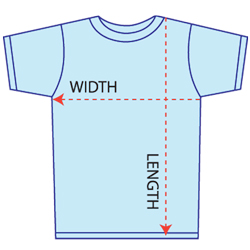
| USA/INCHES Sizes: Unisex/Men’s T-Shirt | ||||||
|---|---|---|---|---|---|---|
| 1″ = 2.54 cm | S | M | L | XL | 2XL | 3XL |
| Chest (inches) | 36 | 40 | 44 | 48 | 52 | 56 |
| Width (inches) | 18 | 20 | 22 | 24 | 26 | 28 |
| Length (inches) | 28 | 29 | 30 | 31 | 32 | 33 |
| CENTIMETERS Sizes: Unisex/Men’s T-Shirt | ||||||
|---|---|---|---|---|---|---|
| 2.54 cm = 1″ | S | M | L | XL | 2XL | 3XL |
| Chest (cm) | 96 | 102 | 112 | 122 | 132 | 142 |
| Width (cm) | 45.7 | 51 | 56 | 61 | 66 | 71 |
| Length (cm) | 74 | 76 | 78 | 79 | 81 | 83.8 |
CARE:
Machine wash, cold, inside out, gentle cycle with mild detergent and similar colors. Use non-chlorine bleach—only when necessary No fabric softeners.
Tumble dry, low heat, or hang-dry for longest life.
Cool iron inside-out if necessary. Do not iron decoration or print.
Do not dry clean.
Related products
-

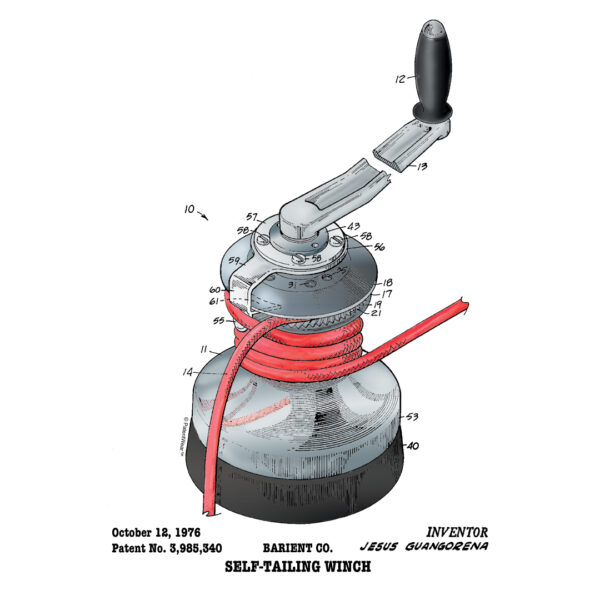
Winch Patent T-Shirt
$28.00Select options This product has multiple variants. The options may be chosen on the product page -

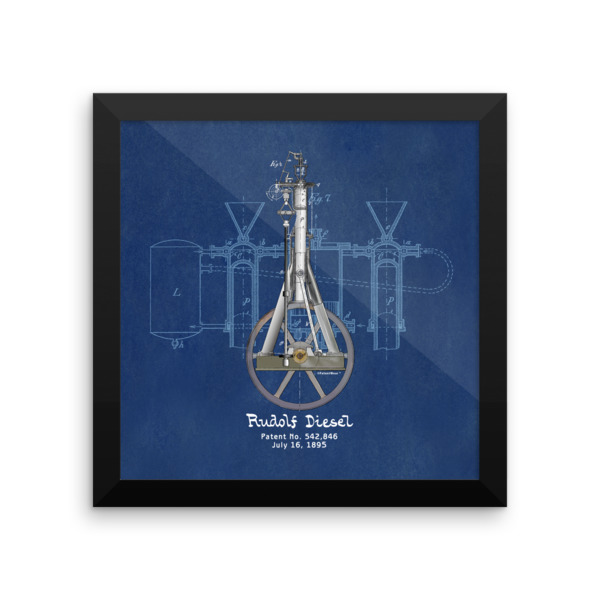
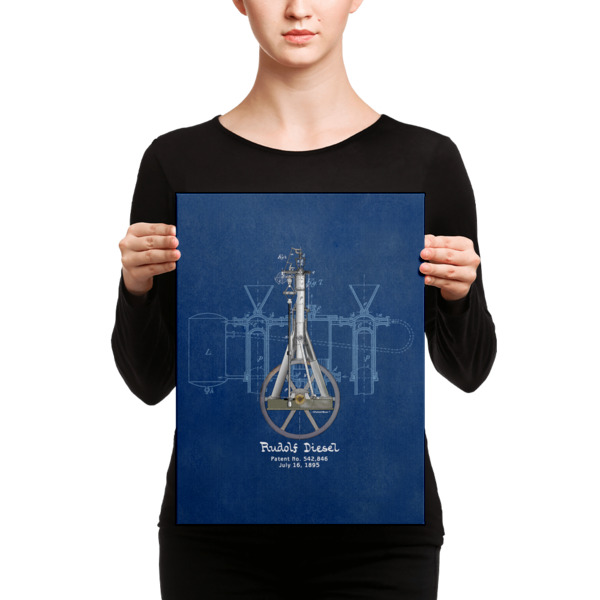
Diesel Engine Patent Wall Art 2 Framed
Price range: $25.00 through $40.00Select options This product has multiple variants. The options may be chosen on the product page -
-
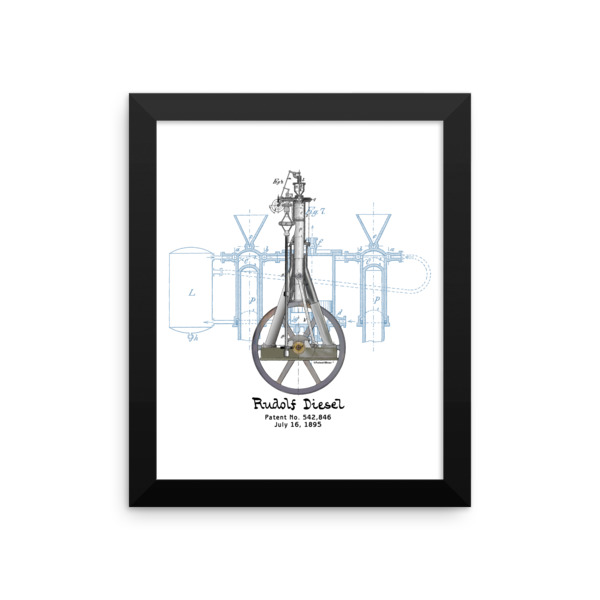

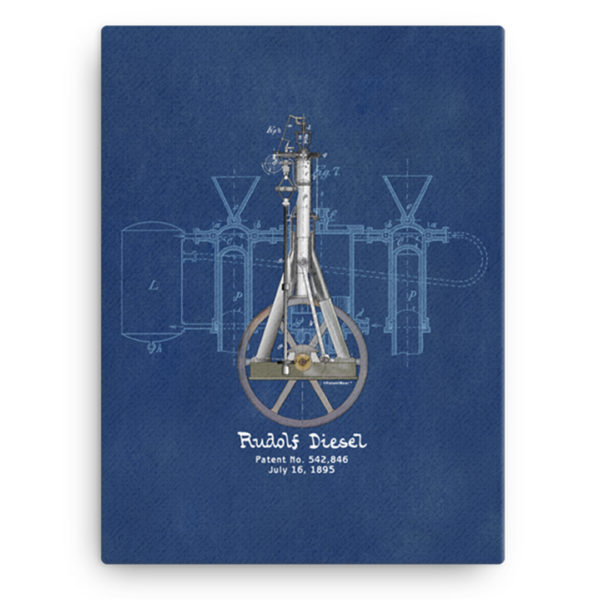
Diesel Engine Patent Wall Art 1 Framed
Price range: $25.00 through $40.00Select options This product has multiple variants. The options may be chosen on the product page