

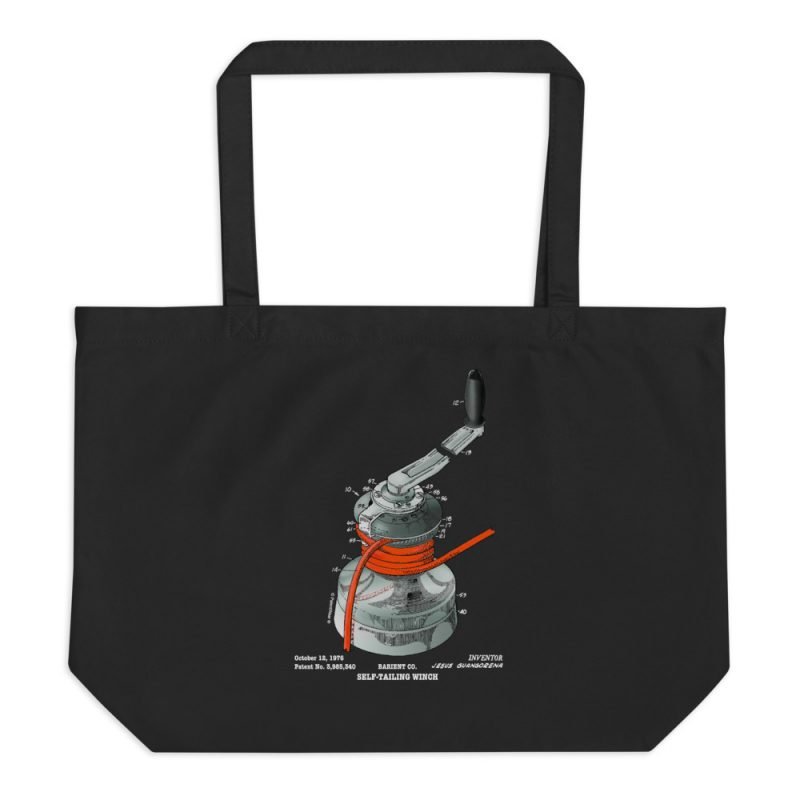

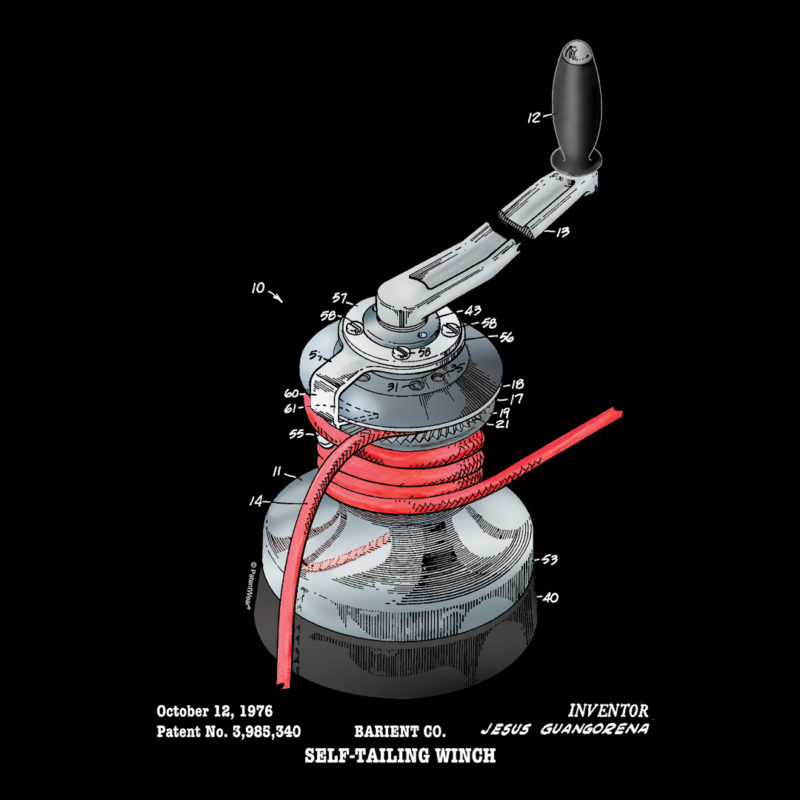


Winch Patent Tote—Large
$20.00
See The Story of this design in tab, below.
Combine eco-conscious comfort with your personal style—showcase your passion on this spacious 100% certified organic cotton twill tote bag. The sturdy fabric, dual straps, and flat bottom gives this tote plenty of room for a whole lot of groceries, toys, sports gear, games, books, and even a matching t-shirt to make a thoughtful combo gift for someone special. Available in oyster or black, with PatentWear’s original Winch Patent design printed on one side.
• 100% certified organic cotton 3/1 twill
• Fabric weight: 8 oz/yd² (272 g/m²)
• Dimensions: 20″ x 14″ x 5″
• Capacity: 6 US gal (23 l)
• Weight limit: 30 lbs (13.6 kg)
• 1″ wide dual straps, 25″ long
• Open main compartment, flat bottom
• Easy care: hand or machine wash cold, inside-out, non-chlorine bleach only, no fabric softeners, tumble dry low or hang dry for longest life
The Story
The world’s first two-speed winches were built in the early 50s for Tim Moseley’s cutter Orient. Moseley was a design and engineering entrepreneur. Teaming up with Jim Michaels who owned the yawl Baruna, the two formed the Barient Company, the name derived from a contraction of the two boat names. Add to the picture the genius and names of Derek Baylis and Jesus Guangorena, who developed a second generation of winches for Orient, and you have the world’s first modern sailing winch.
Barients were the first two-speed winches geared in both directions and the first successful self-tailing winches. Self-tailing was like a dream come true. Among many other benefits having to do with rope speed and diameter, tension, and operating limitations, no longer would you have to hold the tailing end of a sheet line while cranking on the winch.
Most winch companies today are still basically building two-speed winches around the overriding ratchet principal with the internal pawls, a design first used by Tim Moseley in 1951. Barient winches were the model for everything that followed, and although the French, Germans and Australians made numerous and sometimes humorous attempts at copying the early designs, none were successful.
Related products
-
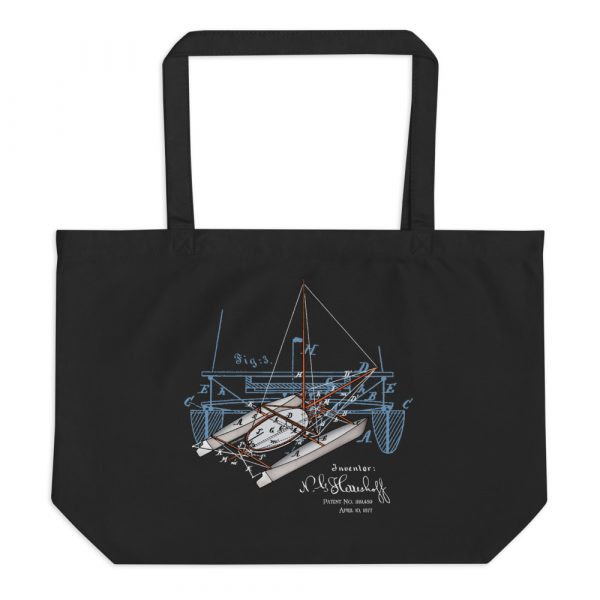
Herreshoff Catamaran Patent—Large Tote
$20.00Select options This product has multiple variants. The options may be chosen on the product page -
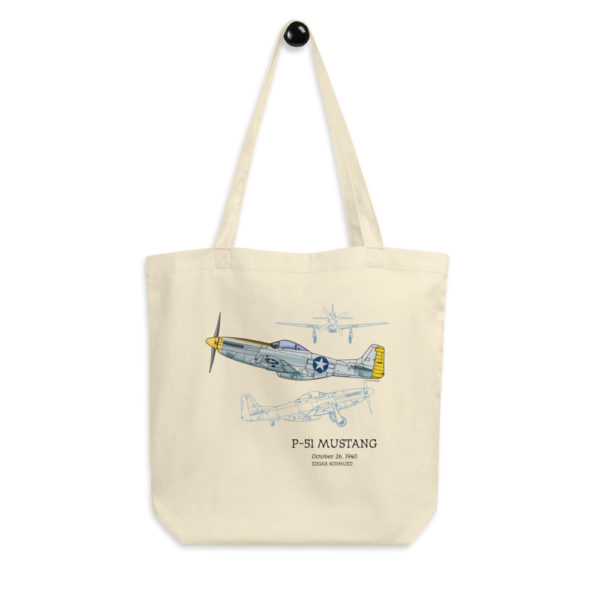
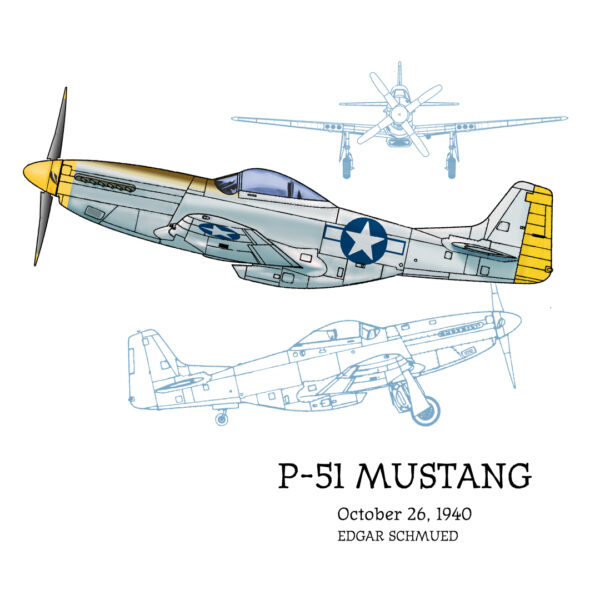
-
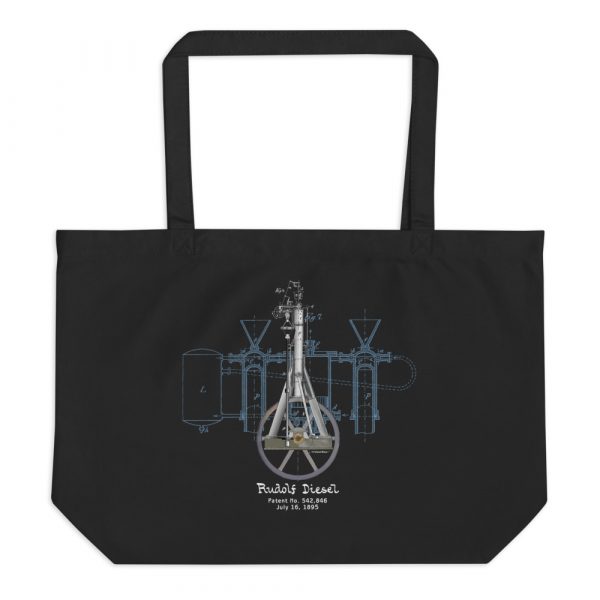

Diesel Engine Patent Tote—Large
$20.00Select options This product has multiple variants. The options may be chosen on the product page -
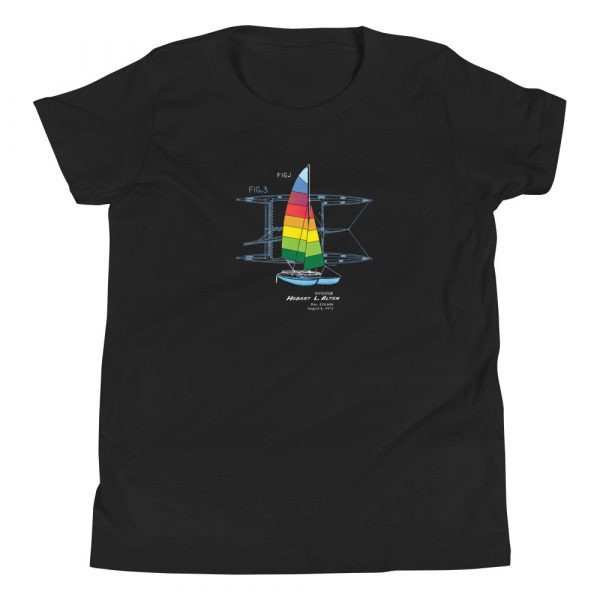

Hobie Cat Youth T-Shirt (8-12 yrs)
$22.00Select options This product has multiple variants. The options may be chosen on the product page